A car is not only a vehicle but also a symbol of your life and your way of living. Just as people are judged by their clothes, a dirty car shows a lack of care and attention. Whether it’s your own Diamond-coated car or from rent a car services in an exotic location like Dubai, it’s necessary to keep your car spick and span to maintain a shiny appearance.
How Often to Wash Your Car?
It may seem obvious — wash your car whenever it looks dirty — but it’s not always that simple. In autumn and winter months, vehicles can get dirty within no time. A mere couple of hundred meters can result in splashes that dirty the body, windshield, even the roof. This can lead many drivers to believe that washing their car regularly is a waste of time with their vehicle getting dirty again just around the corner.
But there are many good reasons to wash your car on a regular basis:
- Avoiding Dirt Accumulating: In the long run, even a grain full of sand can scratch the paint. A thick coating of soil raises the risk of wrecking it when you wash it.
- Cleaning Efficiency: Cleaning gets harder the more dirt there is. Heavily soiled vehicles may need additional work and time to be cleaned properly, including the use of brushes—or extra scrubbing.
In summer, washing your car is no less important since dust can be gritty and get into your car interior too. A dusting is reason enough for a wash.
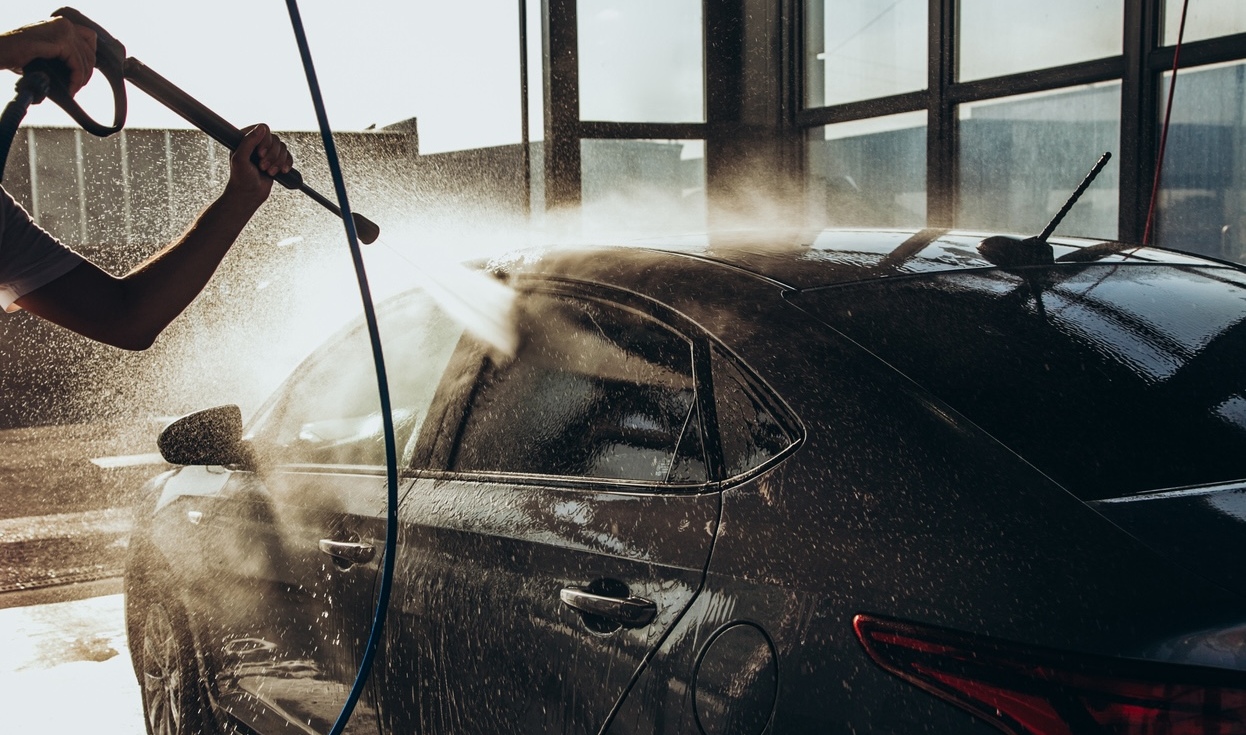
Car Wash: Self Service
Not every car owner choose conventional methods of washing, some do prefer the self service car wash to save their time or to have the hands on control over the process. These facilities have therefore mushroomed.
Using these steps, you can easily wash your car better than any professional:
- Remove Large Debris: Be on the lookout for any large debris on your vehicle prior to entering the wash bay. Get rid of leaf and big clods of dirt, particularly in areas like the radiator grille and wheel arches.
- Wet Down the Dirt: Use either cold or warm water to wet down and rinse your car. This wash removes dust and loosens dirt. A high-pressure machine can help remove thicker sludge.
- Apply Cleaning Solution: Using car shampoo or foam to apply it on the whole body and wheels. Starting from the bottom, work upward to avoid dripping. Remember to include the thresholds; these are areas that will often collect road chemicals. Take note not to put in too much detergent or else the excess foam can prevent effective cleaning.
- Let It Sit for a Few Minutes: Give the cleaner 2-3 minutes to do its job after you’ve applied it. Do not scrub hard; sand on bristles will cause more scratches. For stubborn bits, you can use a sponge or soft brush, but rinse these out afterwards well.
- Rinse Well: Rinse away dirt and cleaner using fresh water as well as a sprayer set 6 inches from the surface. For the cleanest rinse, it is advised to rinse from the bottom all the way to the top.
- Final Rinse with Osmosis Mode: If available, “Osmosis” mode is used to rinse off any remaining water. This approach avoids streaks or water spots by using water without salt, so you don’t have to dry the dishes afterward.
To ensure a longer clean, make sure the car dries completely after you rinse it. Or you can help it along some with a drying cloth.
Washing Your Car at Home
If you can’t get to a self-service facility or prefer to do the work yourself, washing your car at home is an option. Just make sure you’re in an area where washing isn’t ruled against by local regulations, because washing on the street carries the risk of a fine.
You don’t have to have a top-tier pressure washer — a simple garden hose or bucket of water will get the job done as well.