Summer in Dubai is not just hot. According to official tourism materials from the Dubai Department of Economy and Tourism, the average summer temperature stays around 41°C, and from May to September it often rises into the high 30s and mid-40s. For a car, this is not just background weather but a real operating load: the battery ages faster, tires heat up more intensely, and the risk of overheating in the cabin and under the hood increases.
For those who use rental car services or search for car rentals in Dubai, this matters even more. A rental car in a hot climate should not just be clean and fueled up — it should also be technically prepared for the UAE’s high temperatures. That is why, when choosing a rental, it makes sense to look not only at the price but also at the condition of the fleet, the speed of vehicle replacement, and the transparency of service. This is exactly the scenario where renting through RentDrive.ae looks rational. If you need a car for a few days without extra commitments, it is often logical to look at a daily car rental in Dubai.
Why does the heat in Dubai wear out a car faster?
Because high temperatures affect several systems at the same time: engine cooling, battery performance, tire pressure, air conditioning, and plastic interior components. The problem rarely appears in one single point — usually it is a chain.
In real-life use, beginners most often underestimate not the air temperature itself, but the effect of accumulated heat. The car stands in the sun, then gets into dense city traffic, then the driver turns the air conditioning to maximum, while the tires are already working on overheated asphalt. If the vehicle is poorly prepared, even short trips around Dubai start to cost more: there is a higher risk of breakdowns, tire replacement, roadside assistance calls, or simply losing time.
What should be checked before the first trip?
Before driving in hot weather, at least five things should be checked: coolant, battery, tires, air conditioning, and windshield wipers. This is the basic set that reduces the risk of the most common summer problems.
Here is a short checklist worth going through even before a short-term rental:
- coolant level and condition;
- absence of engine temperature warnings;
- battery age and condition;
- cold tire pressure;
- air conditioner performance at idle and while driving;
- wiper condition and washer fluid availability;
- absence of cracks, bulges, and uneven tire wear
This is not a formality for a renter in Dubai. If you are taking a car for 3–14 days for city trips, travel to Abu Dhabi, or excursions, any small issue can quickly turn into a lost vacation day. For residents and companies, the logic is even harsher: vehicle downtime is already a direct operating loss. These scenarios directly match the audience segments described in the brief: tourists, new residents, corporate clients, and mid-term rental users.
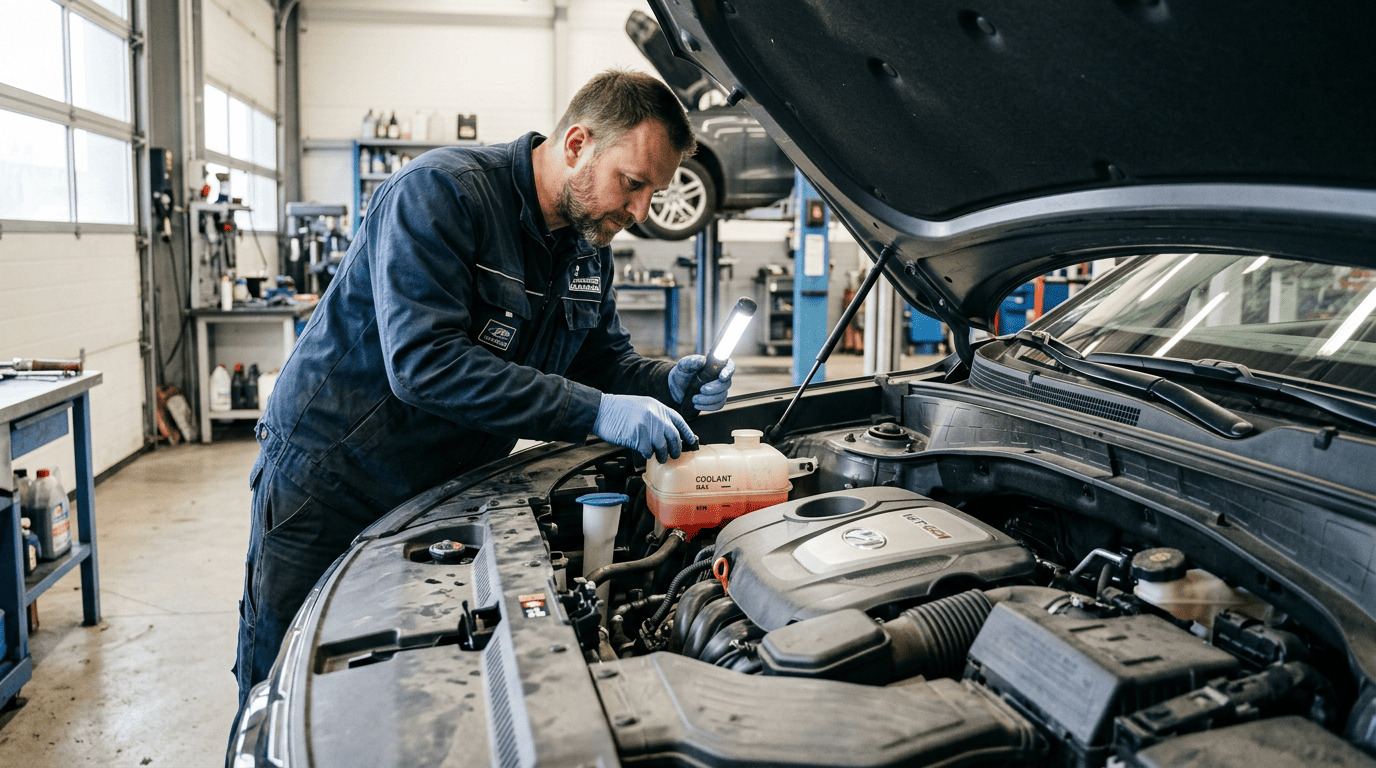
Which vehicle systems suffer most from the heat?
The battery, tires, and cooling system suffer the most. The air conditioner is also in the risk zone, but it usually isn’t the first to fail — related issues come first, such as a weak battery, insufficient cooling, or an overloaded engine.
In its safe driving guide, the RTA emphasizes the importance of regular vehicle maintenance and advises against leaving an electric car in intense sunlight for too long, as excessive heat can affect its battery. This is a useful reminder for conventional cars as well: high temperatures in the UAE are not an abstraction but a factor that affects the vehicle’s service life.
Comparison of the main summer risks in the UAE
| Vehicle system | What happens in the heat | What it leads to | What to do |
|---|---|---|---|
| Battery | Chemical wear accelerates | Hard starting, sudden failure | Check age, charge, and contacts |
| Tires | Operating temperature and pressure increase | Risk of accelerated wear and damage | Monitor pressure and tread condition |
| Cooling system | Thermal load rises | Engine overheating | Check coolant, hoses, and fans |
| Air conditioner | Works at its limit | Weak cabin cooling | Check performance and service history |
| Interior and plastic | Surfaces overheat | Cracks, fading, and uncomfortable heat buildup | Use a sunshade, park in shade, ventilate |
How should tires be prepared for summer in Dubai?
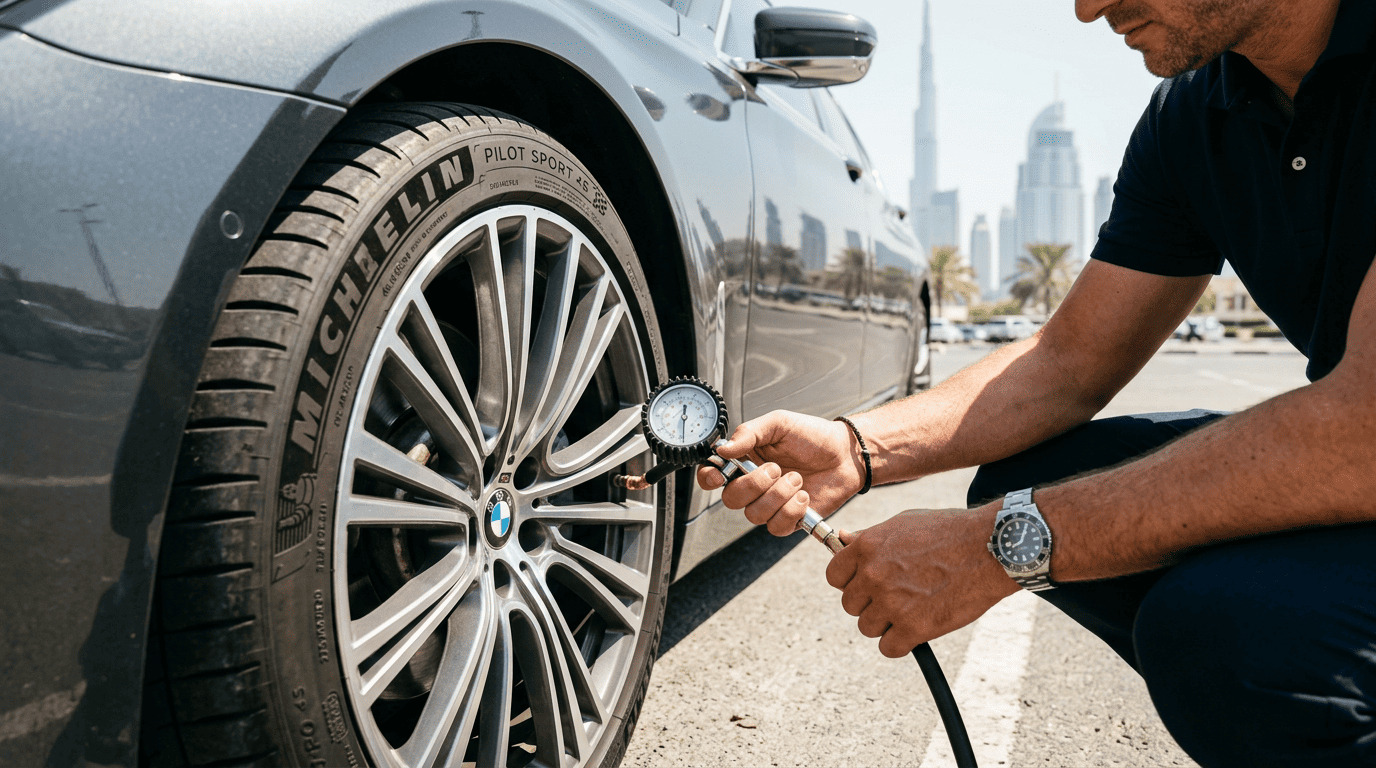
Tires should be checked when the car is cold and never judged “by eye.” In a hot climate, even an error of a few PSI can accelerate wear and worsen the way the car behaves on the road.
The logic is simple: air temperature and overheated asphalt increase the rubber’s working temperature. If the tire is already worn, has aged sidewalls, or incorrect pressure, its safety margin drops. For a tourist, this is a road safety issue. For a company, it is a matter of unexpected replacement costs and vehicle downtime. In such scenarios, many people choose not to buy but instead consider weekly car rental in Dubai so they do not take on extra service risks themselves.
Practical inspection table
| Parameter | What should be considered normal |
|---|---|
| Pressure | Check in the morning, before driving |
| Tread | No critical wear or bald spots |
| Sidewalls | No cracks, bubbles, or cuts |
| Vehicle behavior | No vibrations or pulling to one side |
In the car rental segment in Dubai, a good rental company stands out by conducting these checks before handing over the vehicle, not after a customer complaint.
Is a special approach needed for the battery and air conditioner?
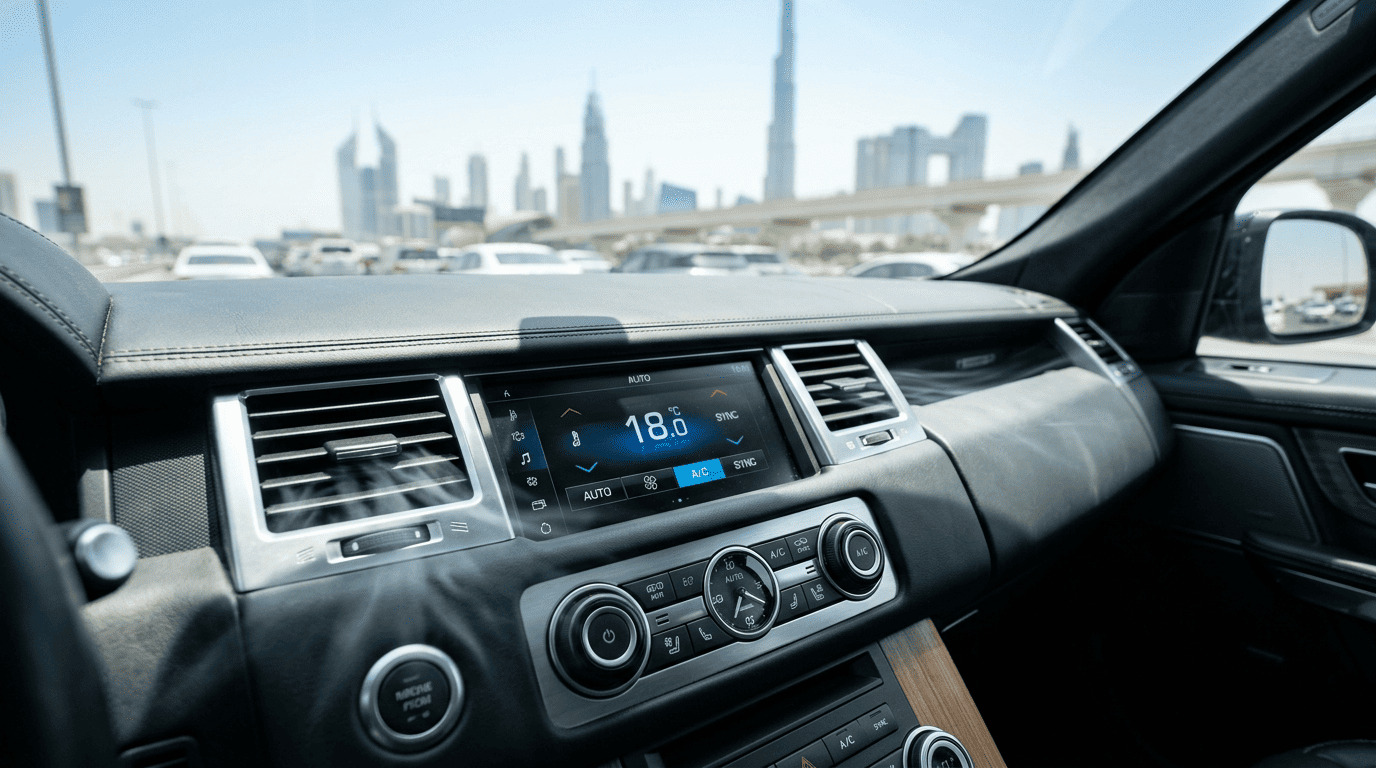
Yes, because these two elements most often determine whether the car will be comfortable in daily use. The engine may be fine, but a weak battery and a tired air conditioner can turn a trip around Dubai into unnecessary stress.
For a beginner, this is especially noticeable in the morning after the car has been parked in the sun: the cabin is overheated, the air conditioner starts under high load, and the battery has to provide both engine start and power for all systems at once. If the battery is near the end of its life, the problem appears sharply, without a long “warning” period.
The air conditioner is even simpler: it should be tested before the rental begins. A few minutes at idle and a short drive are enough to show how quickly the cabin reaches a comfortable temperature.
What is more cost-effective: preparing your own car or renting a car?
If you have arrived in Dubai for a short stay, renting is usually the more rational option. The reason is not convenience by itself, but the cost structure: a short-term user should not be paying for maintenance, diagnostics, and seasonal risks of owning a car.
Scenario comparison table
| Scenario | Own car | Rental through RentDrive.ae |
|---|---|---|
| Tourist for 7–10 days | Unrealistic or economically weak | Logical and fast |
| New resident for 1–3 months | Requires purchase, registration, and servicing | Flexible solution without a long setup process |
| Small business | Risk of downtime and capital spending | Predictable monthly costs |
| Person without local UAE history | Many organizational steps | Fast start with clear terms |
This is especially noticeable for new residents and corporate clients. While a person is handling paperwork, looking for housing, or setting up everyday life, renting a car solves the transport issue without the long ownership cycle. For business, renting removes part of the risks connected with fleet maintenance and vehicle replacement in case of a breakdown. And if the need is no longer for just a few days but for a more stable period, it makes sense to look at monthly car rental in Dubai.
Which rental company in Dubai makes sense in summer?
The right choice is not the lowest rate, but the quality of how the vehicle is prepared for the UAE climate. In extreme heat, that matters more than a promotional price.
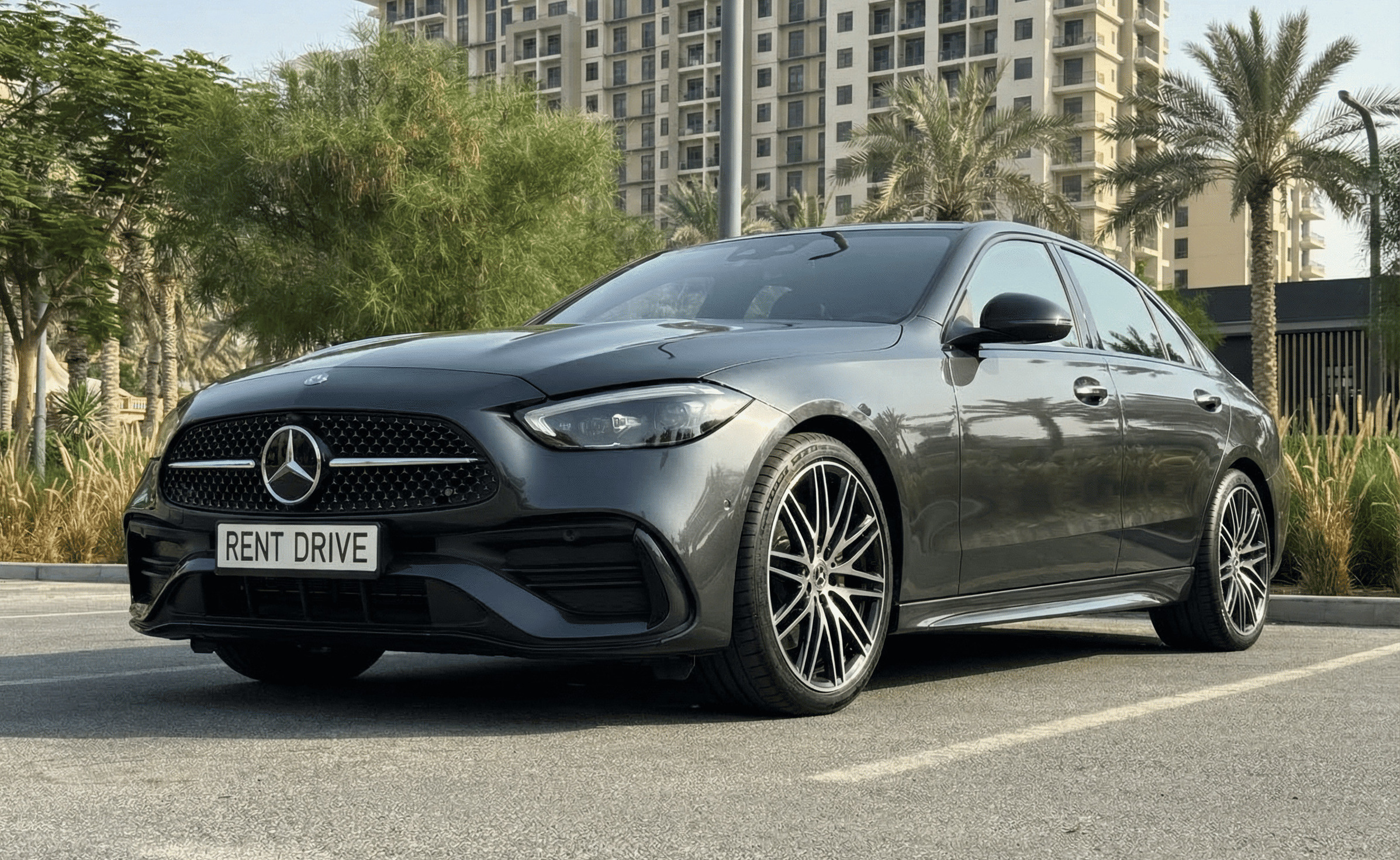
There are four things worth checking with a rental company: fleet age, support response speed, transparency of terms, and the ability to replace the vehicle if needed. RentDrive.ae has a strong position in this logic: its rental service in Dubai covers both short-term trips and longer scenarios for residents and businesses, where stable technical conditions, clear terms, and extension flexibility matter. This is exactly what the audience in the brief is looking for: not just a car, but a controlled and predictable service. If you need a better option for hot urban driving, it also makes sense to look separately at crossover and SUV rental in Dubai, especially if a higher driving position and a more versatile vehicle format matter.
What should a beginner do right now?
Do not overestimate how well a car handles the heat, and do not save money on a basic inspection. One check before a trip is almost always cheaper than one breakdown on the highway or in daytime traffic.
Check the tires, battery, cooling system, and air conditioner. Do not leave the car under direct sunlight for too long when avoidable. And for short-term or mid-term use in the UAE, it often makes sense to look toward car rentals in Dubai, where some of these risks are already reduced by the service itself. For a tourist, this means saving time. For a resident, it means flexibility. For a business, it means a cleaner cost model. In Dubai conditions, renting from a local company like RentDrive.ae is not a backup option, but a practical way to get a heat-ready car without unnecessary organizational losses.